6 Botox Myths You Should Stop Believing
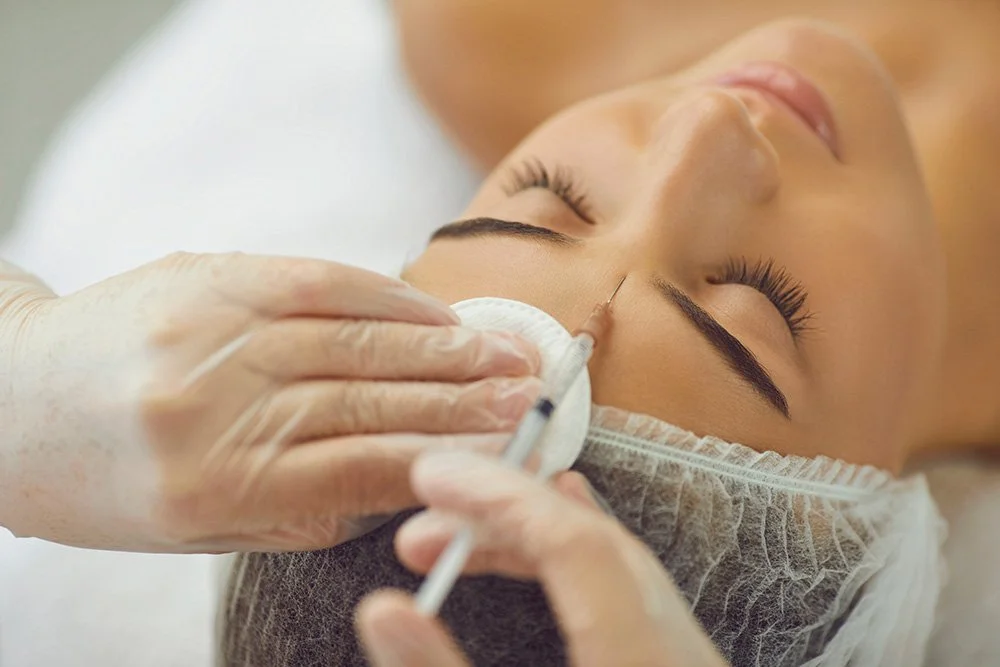
Botox has been a household name for decades, yet misconceptions about it are still surprisingly rampant. If you’re considering nonsurgical anti-aging treatments, separating fact from fiction can lead you toward an informed decision about whether Botox belongs in your aesthetic and wellness plan.
Myth #1: Botox and Dermal Fillers Are the Same Thing
Botox and dermal fillers can complement each other in a procedure known as a “liquid facelift,” but their benefits and purposes are not interchangeable.
Botox is a neuromodulator, which means it temporarily blocks nerve signals that cause specific muscles to contract, softening dynamic wrinkles created by repeated expressions like squinting and frowning.
Fillers work differently. Instead of affecting muscle movement, they add volume beneath the skin, primarily in the lower two-thirds of the face. These gel-based formulations can plump your lips, restore fullness to hollow cheeks or temples, smooth undereye hollows, and enhance areas like your chin and jawline.
Myth #2: Botox Will Freeze Your Face
For comedic effect, many movies and TV shows reinforce a stereotype that people who use Botox end up with stiff, unnatural-looking results. When this problem happens in the real world, it almost always results from excessive dosing and inexpert placement.
Skillfully administered Botox should soften unwanted lines without erasing your personality or ability to express yourself. Dr. Vincent Nacouzi uses a conservative approach, often recommending micro-dosing to patients who are new to neuromodulators. The objective is to help you look refreshed and relaxed, never frozen.
Myth #3: Botox Is Only for Older Women
There is no specific age or gender requirement for Botox. Your individual anatomy, concerns, and goals are far more relevant than the number of candles on your birthday cake.
Men increasingly use Botox to soften prominent forehead furrows, crow’s feet, and frown lines while maintaining a natural, masculine appearance. Younger adults may also choose preventive Botox when they notice dynamic lines beginning to linger after their facial muscles relax. Botox can prevent those early signs of aging from becoming increasingly pronounced by selectively relaxing the muscles responsible for repetitive creasing. That’s why some patients begin a Botox regimen in their 20s or 30s instead of waiting for deeper wrinkles to develop.
Myth #4: Once You Start Botox, You Can Never Stop
Botox isn’t permanent. Its effects gradually wear off as nerve signals return to the treated muscles. If you enjoy your results, you can schedule periodic maintenance treatments according to a personalized plan – but remember that starting a neuromodulator regimen doesn’t obligate you to continue indefinitely.
Though muscle movement will return and wrinkles will gradually become visible again if you decide not to schedule another appointment, that doesn’t mean you will age dramatically overnight if you stop using Botox.
Myth #5: Botox Is Purely Cosmetic
Botox may be famous for relaxing wrinkles, but its practical applications extend well beyond aesthetic medicine. Because botulinum toxin temporarily interrupts nerve signals to targeted muscles or glands, clinicians also use this product therapeutically for several medical conditions. Depending on the specific product and indication, FDA-approved uses include treatment of chronic migraine, excessive sweating, involuntary muscle spasms, and excessive teeth grinding and habitual jaw clenching.
These medical applications underscore the point that Botox isn’t merely a beauty trend. It is a medication with established therapeutic uses, and you should only receive your injections from a qualified medical professional.
Myth #6: It Doesn’t Matter Who Performs Your Botox Injections
Perhaps the most dangerous Botox misconception is that it’s so routine that anyone can administer it. This product’s popularity has led many unqualified providers to jump on the bandwagon, advertising their services at house parties and day spas. While it may seem convenient to get Botox injections at the same place where you have your hair cut, successful treatment requires much more than knowing how to use a needle.
For safety’s sake, your provider should be a qualified medical professional with a proven track record of satisfied patients and an extensive understanding of facial anatomy, including how different muscles interact to create expressions. Incorrect dosing or placement can cause asymmetry, unwanted muscle weakness, drooping eyelids, or an unnatural appearance.
Dr. V personally performs every injection. His knowledge of facial musculature allows him to determine where to introduce Botox and how much to administer based on your anatomy and goals.
Botox Expertise Matters
Botox’s popularity can make it easy to forget that you are receiving a medical procedure, but your treatment should always begin with a thoughtful consultation rather than a one-size-fits-all number of units or injections.
Dr. V combines medical expertise with an individualized aesthetic approach to create subtle improvements that preserve what makes your face uniquely yours. Whether you’re interested in softening existing wrinkles, taking a preventive approach to aging, or learning about Botox’s therapeutic applications, schedule a consultation today to discover what this versatile treatment can do for you.