Hair Loss in Men vs. Women
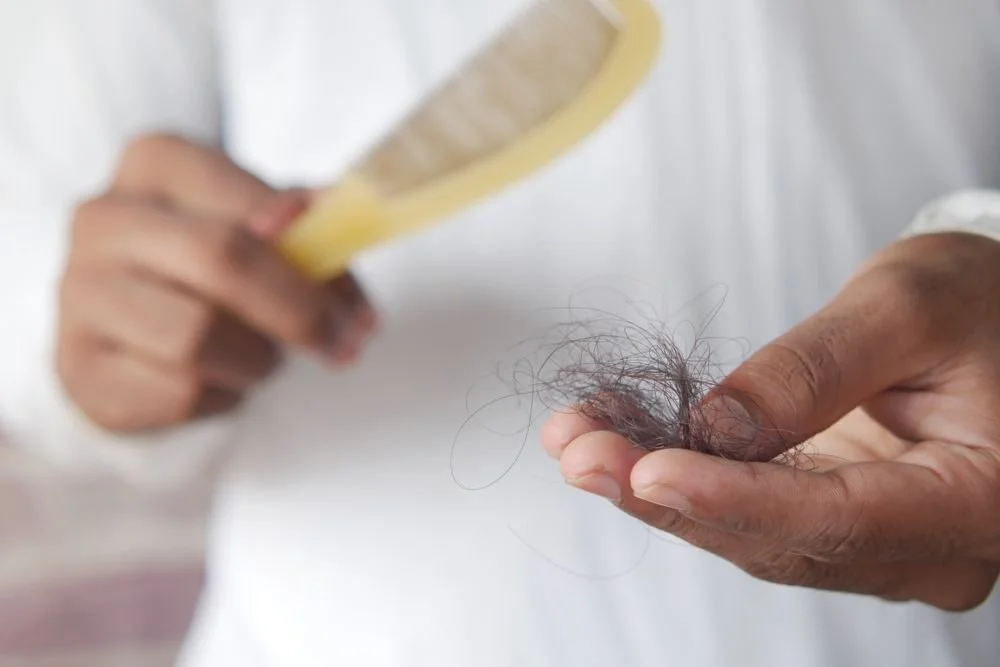
Hair loss can affect anyone, but it isn’t a one-size-fits-all experience. Factors such as your age, genetic makeup, hormone balance, and health can influence when your hair starts thinning and where you notice it first.
At Injectables by Dr. V, platelet-rich plasma injections offer men and women a nonsurgical way to reverse hair loss and regain thick, healthy scalp coverage.
Why Does Hair Thin?
Every hair on your body progresses through a natural, four-phase growth cycle. At any given time, some hairs are actively growing, while others are transitioning or resting before eventually shedding.
While it’s normal for most people to lose between 50 and 100 strands of hair daily, you should be concerned if you shed more hair than you replace, individual strands have become progressively finer, or your follicles seem to be dormant.
Multiple variables can contribute to thinning hair, many of which are hereditary. However, hair loss can also result from age-related hormone imbalances, stress, nutritional deficiencies, chronic stress, and specific illnesses and medications.
Understanding Male-Pattern Hair Loss
Male-pattern hair loss unfolds in familiar ways. Many men first notice that their hairlines have started receding at the temples, gradually developing an “M” shape. Others begin losing density around the crown. These balding areas may expand and eventually meet as your hair loss progresses.
Genetics and sensitivity to dihydrotestosterone, or DHT, influence male-pattern hair loss. DHT can shrink susceptible follicles, causing them to produce shorter and finer hair until growth becomes increasingly limited.
Though many men resign themselves to the fact that they’ll experience thinning hair at some point, that doesn’t make it a comfortable or welcome experience. Premature hair loss can make you look older than you feel and erode your confidence, which may cause you to miss out on opportunities in your personal or professional life.
How Is Hair Loss Different in Women?
Women’s hair loss is distinct. Instead of developing a pronounced receding hairline, you may notice more diffuse thinning across your scalp. Your center part can widen, making your go-to hairstyles appear flat. Some women experience these changes during or after pregnancy or later in life, after entering perimenopause or menopause.
Though women rarely go completely bald the way some men do, thinning hair can still be surprisingly distressing – especially if your scalp becomes easily visible. You may initially assume you’re imagining the difference or try changing shampoos and styling products before finally coming to terms with what is happening.
Men and Women May Experience Hair Loss Differently
Hair is fundamental to many people’s self-image and confidence, regardless of their gender identity. Still, cultural expectations and gender norms can influence your response to androgenetic alopecia.
Men with family histories of baldness often grow up expecting their hair to thin at some point, though they hope that day will take a long time to arrive. Women experiencing diffuse thinning may have never considered that significant hair loss could happen to them. Neither experience is trivial, and both deserve serious consideration.
Can PRP Help With Thinning Hair?
Platelet-rich plasma therapy uses components derived from your blood to encourage your body’s natural regenerative processes. To begin PRP treatment, Dr. V will draw a small sample of your blood and process it in a centrifuge to separate the platelet-rich plasma, which has a wealth of growth factors involved in tissue repair and regeneration. He’ll then strategically inject the PRP into areas of your scalp affected by thinning.
Because PRP comes from your blood, you don’t have to worry about incompatibility, allergic reactions, or introducing artificial substances into your body. PRP treatment can “reawaken” dormant hair follicles and encourage healthier, stronger growth, so you shouldn’t wait for your hair loss to progress before seeking professional advice.
If your hairline is receding, you lack the volume to pull off your favorite hairstyle, or you see an alarming amount of scalp when you look in the mirror, those reasons are enough to merit your attention. Instead of following a standardized template, Dr. V will create a personalized treatment strategy based on your goals and progression of balding. He’ll also consider your broader health and wellness to identify factors that may contribute to your hair loss.
Don’t Wait Until Everyone Else Notices
Since you see and touch your hair daily, you’ll probably recognize subtle changes in its density before anyone else does. Start exploring remedies before your hair loss advances. Proactive patients who still have sufficient active hair follicles to respond to treatment have more potential avenues for reversing balding.
If you’ve recently noticed a widening part, reduced density, a receding hairline, or thinning around your crown, schedule a consultation with Dr. V to learn about your candidacy for PRP hair restoration in Raleigh.